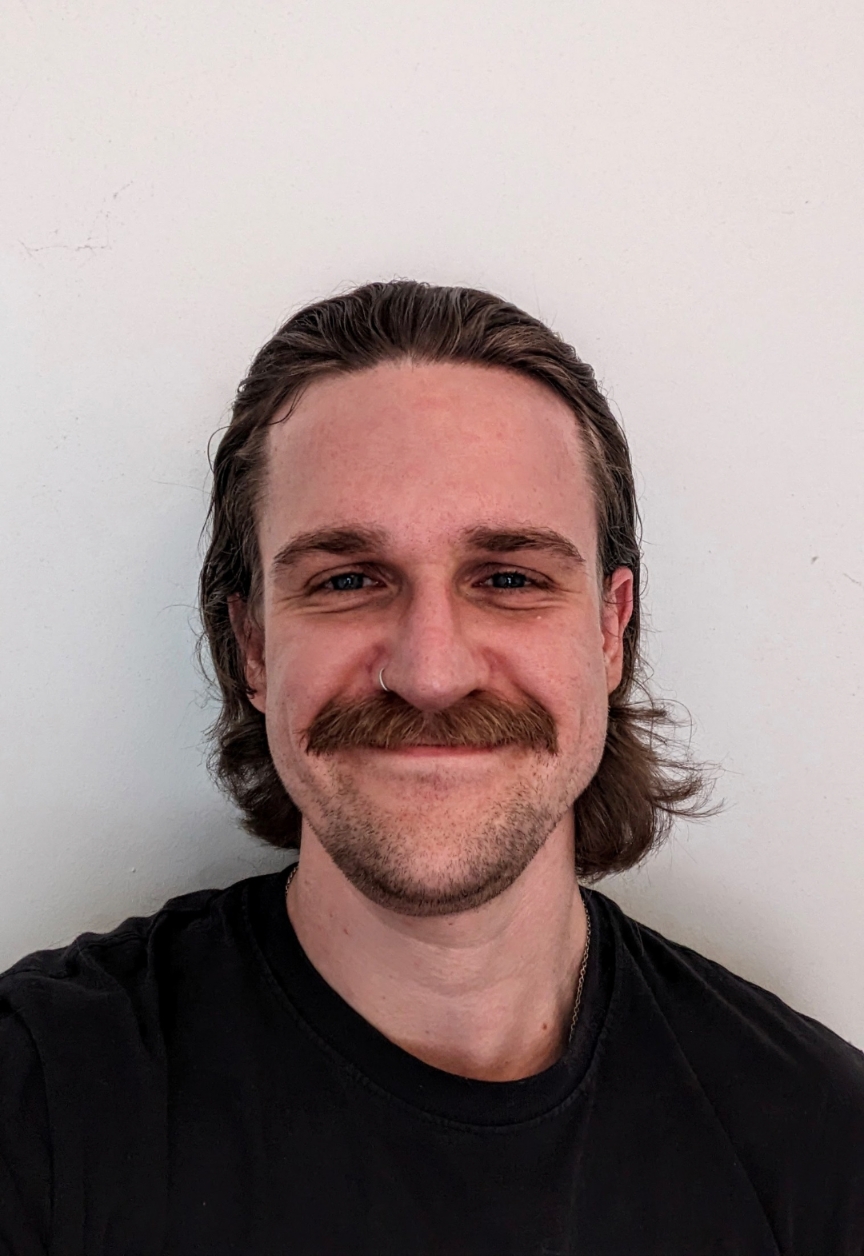
Dave Burniston, a 1st year trainee gives his perspective on his placement in a homelessness setting
Before becoming a trainee clinical psychologist, I had worked as a psychotherapist in the NHS. I felt quite confident about my clinical skills, but knew that this placement would require something different from me. The first thing that struck me when I started was that I was joining something of a mission – this mission, and the people involved in it, resonated with the core values that I had come to hold as a clinician. Many of the people I worked with on my placement faced issues to do with addiction, childhood trauma, social exclusion and violence along with serious physical and mental health difficulties. I met people who were fleeing war, battling terminal illness and fighting to overcome addiction. Many of those I worked with had been so mistreated or let down by others who had previously promised them care and support that ‘caring professionals’ were either approached with caution, or not approached at all!
On my placement, I began working with a network of dedicated professionals who were applying research, creative problem-solving and their years of experience to this challenge. When I began to visit local services I could see evidence of these innovations everywhere – from interior décor to systemic policy and staff training, many services had worked alongside consulting psychologists to create an environment that encouraged service users to feel safe and to engage in positive change. I was impressed by the work that had been done, but I could also see that I was involved in a movement that was far from being finished – the psychologists I met all seemed passionate about developing an inclusive and effective landscape of support for homeless people.
I had been used to showing up to work, receiving referrals and going ahead with agreed clinical interventions, but this was different. When I began working in a local shelter, my first job was to become a familiar face among the people I had been hired to support. Many of them had been turned away by professionals in the past, and some of those who hadn’t been turned away described experiences that did not leave them feeling valued, dignified or safe. While engagement issues could be complex, solutions were sometimes quite simple. I spent Thursday mornings sharing breakfast, chatting and playing pool with service-users. In these regular informal interactions I offered little more than warm and friendly conversation. In many cases, these conversations paved the way for discussions about clinically relevant topics and I held in mind an early piece of advice my supervisor gave to me: “our only goal in the first session is for there to be a second one!” My one-to-one clinical work with service users utilised a variety of clinical skills, but in many cases it seemed the most helpful part of my role was to be a safe pair of ears – to listen, be dependable and keep the door firmly open for clinical intervention on their terms.
While the work I did felt immensely gratifying and meaningful, it was clear to me that my role was to play a small part in a collective effort. Support workers, service managers, kitchen staff, medics and a whole host of other individuals and services all seemed to embrace a flexible, compassionate and psychologically-informed collective effort. The placement helped me to grow some foundational clinical skills that will be useful in any setting, but also showed me how clinical psychologists can be so useful when we share our ideas with a wider network and bring ideas from psychology into the systems and practices surrounding the people we serve.