
Blog post by Prof. Nick Maguire
One of the significant privileges of being a University academic is travel to present our work at conferences all over the world. The Centre has established a close working relationship with the Street Medicine Institute (SMI), a global movement dedicated to providing healthcare for people who live on the streets.
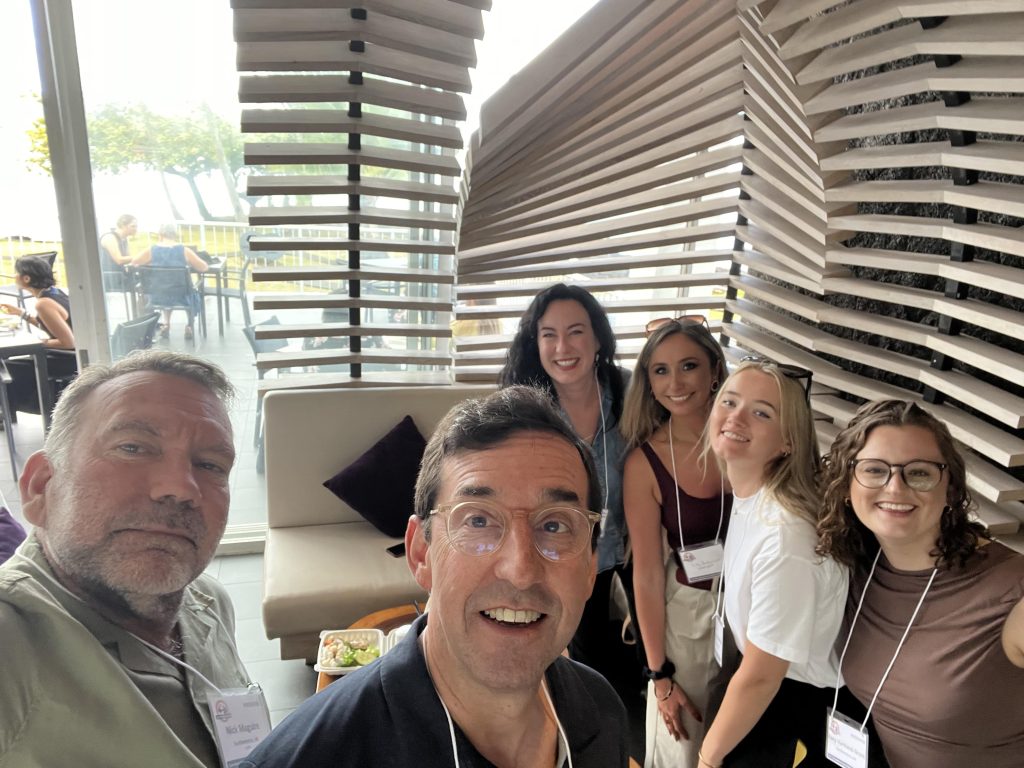
The SMI has an annual international conference that we attend most years, and being the only psychologists who regularly attend, we are able to significantly contribute to the ‘behavioural health’ stream. This centres around helping medical practitioners to understand the theory and practice of engagement in behavioural change that may lead to better health outcomes, as well as their own emotional reactions to the work that they‘re doing.
In September we attended the 2025 SMI conference (LINK) in Hilo, Hawaii. A strange choice for a homelessness conference, it may seem. And certainly Hawaii has a significant tourism industry associated with being a ‘paradise’ destination. But that hides some more unpalatable truths. Hawaii, like many other places, suffers extreme wealth disparity and associated poverty. Tourism in some areas has driven up house prices beyond what is affordable, particularly affecting the indigenous population. This is exemplified to some degree on Big Island where the conference was held, with the two sides of the island, Kona and Hilo, being very different in terms of cost of living, recreation and accommodation. Kona has expensive hotels, restaurants and facilities geared mainly around tourism. Hilo is where the locals live, and has many more indicators of poverty, mental health issues and deprivation. There were many cars abandoned in the roads around the conference, some with people sleeping in them. It may be surprising to know that Hawaii has the highest per capita rate of homelessness in the US, driven by the high costs of housing and living. The recent wildfires on Maui exacerbated this, and in particular disproportionately affected native Hawaiians. It’s reputation as a paradise means that people with money move there, driving up house prices further and making even low cost housing unavailable.
The conference was interesting, in that it dealt with all issues ranging from those on a local level to the difficulties that marginalised populations are facing in the US as a whole. The speakers ranged from those conducting research around drug use, through local policies that enabled medical teams to acquire resources to generating responses to national issues such as executive orders enabling compulsory commitment for those who are homeless suffering mental health issues. It was both interesting and horrifying to have to consider the reality of such themes.
So Hawaii was all at once inspiring, surprising, beautiful and saddening, and a reminder that homelessness and suffering is a global issue of high wealth differential.